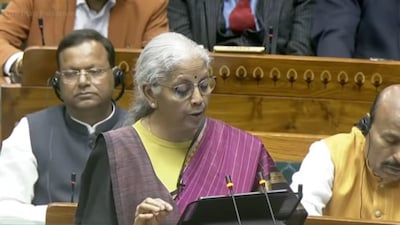

Budget 2026: Sitharaman Unveils Integrated Program to Revitalize Textile Sector
Budget
C
CNBC TV18•01-02-2026, 11:49
Budget 2026: Sitharaman Unveils Integrated Program to Revitalize Textile Sector
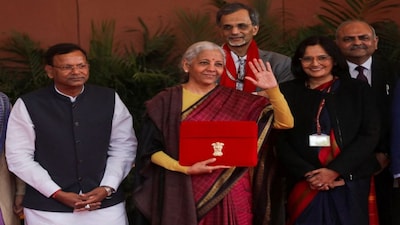
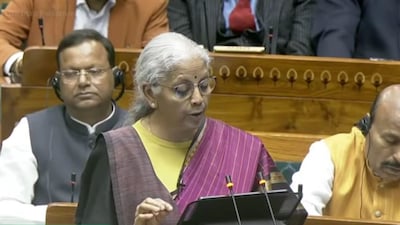
- •Finance Minister Nirmala Sitharaman proposed an integrated program in Budget 2026 to boost India's labor-intensive textile sector.
- •Key components include the National Fibre Scheme, Textile Expansion and Employment Scheme, National Handloom and Handicrafts Programme, TEX-ECO, and SAMARTH 2.0 for skilling.
- •The National Fibre Scheme aims for self-reliance in natural and man-made fibers, while the Expansion Scheme modernizes clusters with capital support.
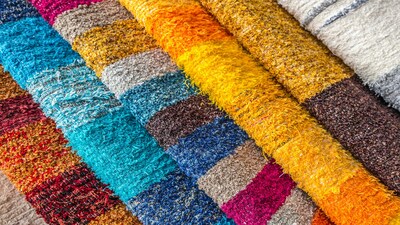
- •The National Handloom and Handicraft Programme will strengthen existing schemes and provide targeted support to weavers and artisans.
- •India is the 6th largest global exporter of textiles and apparel, contributing nearly 2% to GDP, but faces challenges like fragmentation and reliance on cotton.
Why It Matters: Budget 2026 introduces a comprehensive program to enhance the competitiveness and self-reliance of India's textile industry.
✦
More like this
Loading more articles...