Euthanasia Explained: Harish Rana's Case, Medical Process, Pain & India's Legal Framework
Euthanasia Explained: Harish Rana's Case, Medical Process, Pain & India's Legal Framework
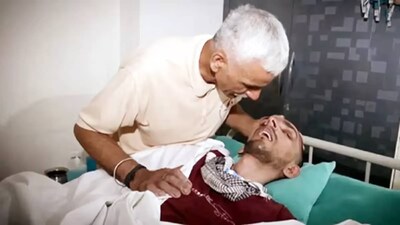
- •Supreme Court approved passive euthanasia for Harish Rana, 31, from Ghaziabad, who has been in a Persistent Vegetative State since 2013; AIIMS Delhi has begun the process.
- •Passive euthanasia, legal in India, involves gradually withdrawing life-sustaining treatments like feeding tubes and oxygen, allowing natural death with comfort care.
- •Active euthanasia, illegal in India, is performed by administering a powerful sedative followed by a neuromuscular blocker, causing a painless death within minutes.
- •The process for Harish Rana involves an AIIMS medical panel confirming no recovery, family consent, and gradual removal of support under Supreme Court guidelines.
- •Medical experts state active euthanasia is painless as the patient is in a deep sleep before the final drug, preventing any sensation of suffocation or pain.